Best AI Visibility Tools in 2026: Which Should You Choose?
- Post By: FAISAL MUSTAFA
- Published: October 29, 2026
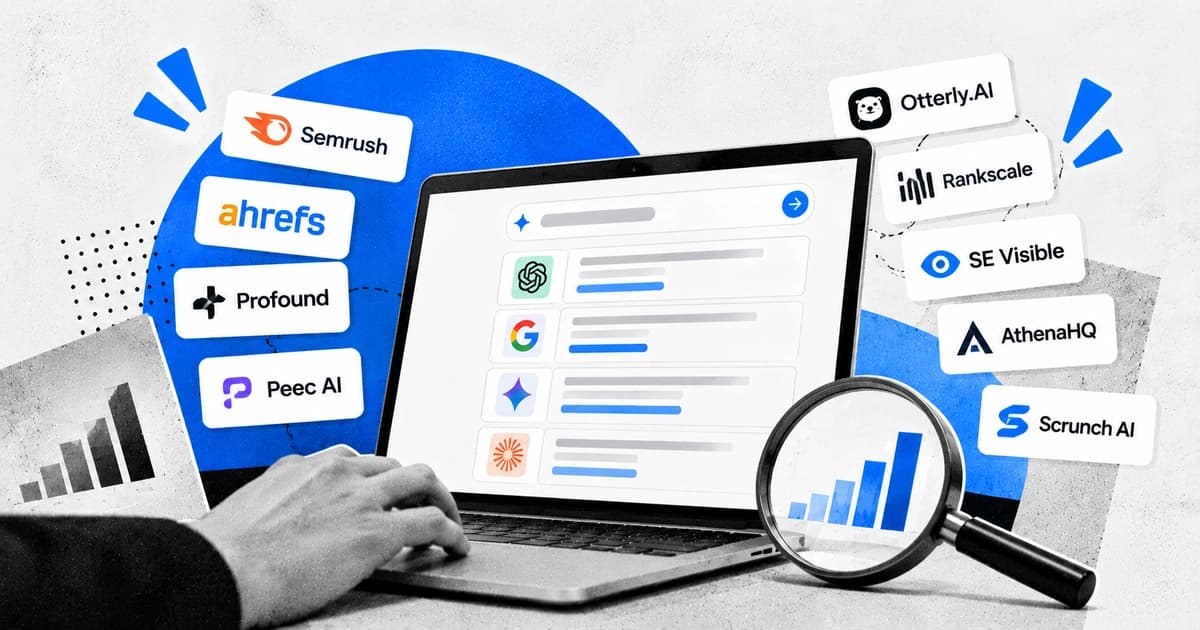


The best AI visibility tools in 2026 include Semrush AI Visibility Toolkit, Ahrefs Brand Radar, Profound, Peec AI, Otterly.AI, Rankscale, SE Visible, AthenaHQ, and Scrunch AI.
These platforms track brand mentions, citations, share of voice, and prompt-level visibility across AI search surfaces such as Google AI Overviews, ChatGPT, Gemini, and Perplexity. The right choice depends on your budget, prompt volume, engine coverage, and existing SEO tools.
AI visibility tracking helps businesses understand where they appear in AI-generated answers and where competitors get cited instead.
For companies looking to improve visibility across traditional and AI-powered search, a global digital marketing agency offers a broader approach to SEO and digital growth.
Quick Answer: Our Picks by Use Case
The best AI visibility tool in 2026 depends on your budget, prompt volume, and the AI engines your audience uses.
Teams already using Semrush or Ahrefs should check their existing plans before buying another platform.
Otterly.AI and Rankscale are worth comparing for accessible monitoring, while Profound and Peec AI offer specialist AI search analytics.
Enterprise teams should evaluate Profound, AthenaHQ, and Scrunch AI against their reporting and governance needs.
The right tool depends on what you need to measure
Brand mentions show when your business appears in AI answers, while citations identify the source URLs those answers reference.
Share of voice compares your visibility with competitors across a defined prompt set, and competitor tracking reveals where other brands appear instead of yours.
Since tools vary in which metrics they offer and how they calculate them, identify your priorities before comparing features and prices.
What AI Visibility Tools Measure (and What They Cannot)
AI visibility tools run a defined set of prompts across selected AI search surfaces and report when a brand appears, which sources it cites, and how those results shift over time.
They give teams a structured way to monitor AI search presence that manual checks cannot scale to cover efficiently.
Understanding what these tools actually measure helps you interpret their numbers correctly. A broader understanding of how AI is changing SEO helps teams place AI visibility data within a full picture of organic discoverability rather than treating it as a standalone metric.
Mentions, citations, share of voice and sentiment
Mentions measure how often a brand name appears in sampled AI answers. Citations refer to the source URLs that an AI response links to or attributes its information to.
Share of voice is a tool-defined metric comparing a brand’s mention rate to tracked competitors across a defined prompt set.
Sentiment describes how the AI answer characterizes a brand, whether positively, neutrally, or critically.
Every provider calculates these metrics slightly differently, so comparing numbers between platforms requires real caution.
Why AI visibility numbers are estimates, not rankings
AI visibility tools report results from sampled prompt runs, not a complete record of every AI conversation happening worldwide.
A tool reporting 30 percent visibility does not mean your brand appears in 30 percent of all AI queries globally. It means your brand appeared in 30 percent of the prompts that specific tool ran during its measurement period.
Outputs can vary based on prompt wording, user location, language, model version, and retrieval context.
What no tool can do
No AI visibility tool can guarantee citations, access private AI conversations, or prove that a specific optimization caused a visibility increase.
Observed changes in visibility scores can correlate with content updates, but correlation is not causation.
Teams that want to optimize their website for AI visibility should treat tracking data as directional evidence rather than definitive proof of impact.
Start Free: First-Party Data and Free Checkers
You can establish a useful AI visibility baseline without buying a dedicated platform. Start with Google Search Console, GA4, basic crawler checks, and manual prompt testing. \
Each method reveals a different part of the picture, so combine them rather than treating any one source as a complete measure.
Google Search Console’s generative AI reports
Google Search Console provides search performance data, including clicks, impressions, and average position.
Check the latest Google Search Console documentation for available reporting on AI Overviews and AI Mode.
Search Console does not provide a complete view of brand mentions or citations across ChatGPT, Claude, Gemini, and other independent AI platforms.
GA4 referral tracking for AI assistants
Google Analytics 4 can help you measure visits that arrive from identifiable AI platforms. Open the Traffic acquisition report and review session sources, landing pages, engagement, and key events to see which visits lead to meaningful actions.
However, GA4 cannot capture every AI-influenced visit. If referral information is missing or lost, a session may appear as direct traffic instead.
Use GA4 to measure attributable website visits, not total AI visibility. Google’s Traffic acquisition report documentation is the go-to for reporting details.
Crawler reachability check
Check your robots.txt, server response codes, and access settings for relevant AI crawlers. These may include OpenAI’s OAI-SearchBot, Anthropic’s Claude-SearchBot, and PerplexityBot.
Distinguish search and retrieval crawlers from training-related agents such as GPTBot and ClaudeBot, because their purposes differ.
Also check that important pages return successful responses and that technical restrictions do not prevent access.
Crawl access can support discoverability, but it does not guarantee that a page will be cited in an AI answer.
Free one-time checkers
Free AI visibility checkers can quickly show whether your brand appears in selected AI answers. Before relying on one, check which engines and prompts it supports, whether results are saved, and whether you can export the data.
A single test can help uncover gaps, but it cannot establish a reliable trend or represent every query your audience might ask.
Manual spot checks
Choose relevant buyer questions, competitor comparisons, category questions, and branded searches.
Run the same prompts in ChatGPT, Gemini, Google AI Mode, and Perplexity. Record whether your brand appears, which competitors are mentioned, and which URLs are cited.
Repeat the checks under similar conditions each month. AI answers can vary by wording, time, and context, so treat the results as directional evidence rather than a precise ranking.
A simple baseline for your first 20 prompts
Start with 20 prompts split across four groups:
- Product or service discovery
- Competitor comparisons
- Category education
- Branded searches
Record brand mentions, cited URLs, competitor appearances, and any resulting website visits you can attribute in GA4. This small sample is a useful starting point, not a statistically representative measure of all relevant AI conversations.
Use it to identify gaps and decide whether ongoing paid tracking would provide enough additional value.
How We Tested and Scored the Tools
We compared each AI visibility tool across engine coverage, citation reporting, prompt tracking, competitor analysis, usability, pricing, and integrations.
Product details and prices should be checked against each vendor’s official documentation, Ahrefs, Profound, and other providers’ current product pages.
When we couldn't do hands-on testing, we marked capabilities as documentation-verified rather than independently tested.
Our scoring weights were engine and geographic coverage (20%), citation reporting (20%), prompt tracking (15%), competitor analysis (15%), usability and reporting (10%), pricing and value (10%), and integrations and optimization support (10%).
Our test prompts and evaluation rules
We used four prompt categories:
- Brand discovery
- Competitor comparisons
- Category questions
- Buying decisions
A consistent evaluation should record the exact prompt, platform or model, subscription tier, test date, and available language or location settings. This makes comparisons easier to reproduce, although AI answers can still vary between runs.
What we verified and what remains untested
We distinguished documentation-verified features from capabilities confirmed through hands-on testing.
Features that could not be independently verified should be treated as unconfirmed. Pricing was checked on October 27, 2026, but can change, so confirm current plans and limits on each vendor’s official website before purchasing.
The Best AI Visibility Tools in 2026 (Reviewed)
These reviews compare each tool’s best use case, core features, engine coverage, pricing model, limitations, and overall fit.
Prices and features can change, so confirm current details on each vendor’s official website before purchasing.
Semrush AI Visibility Toolkit
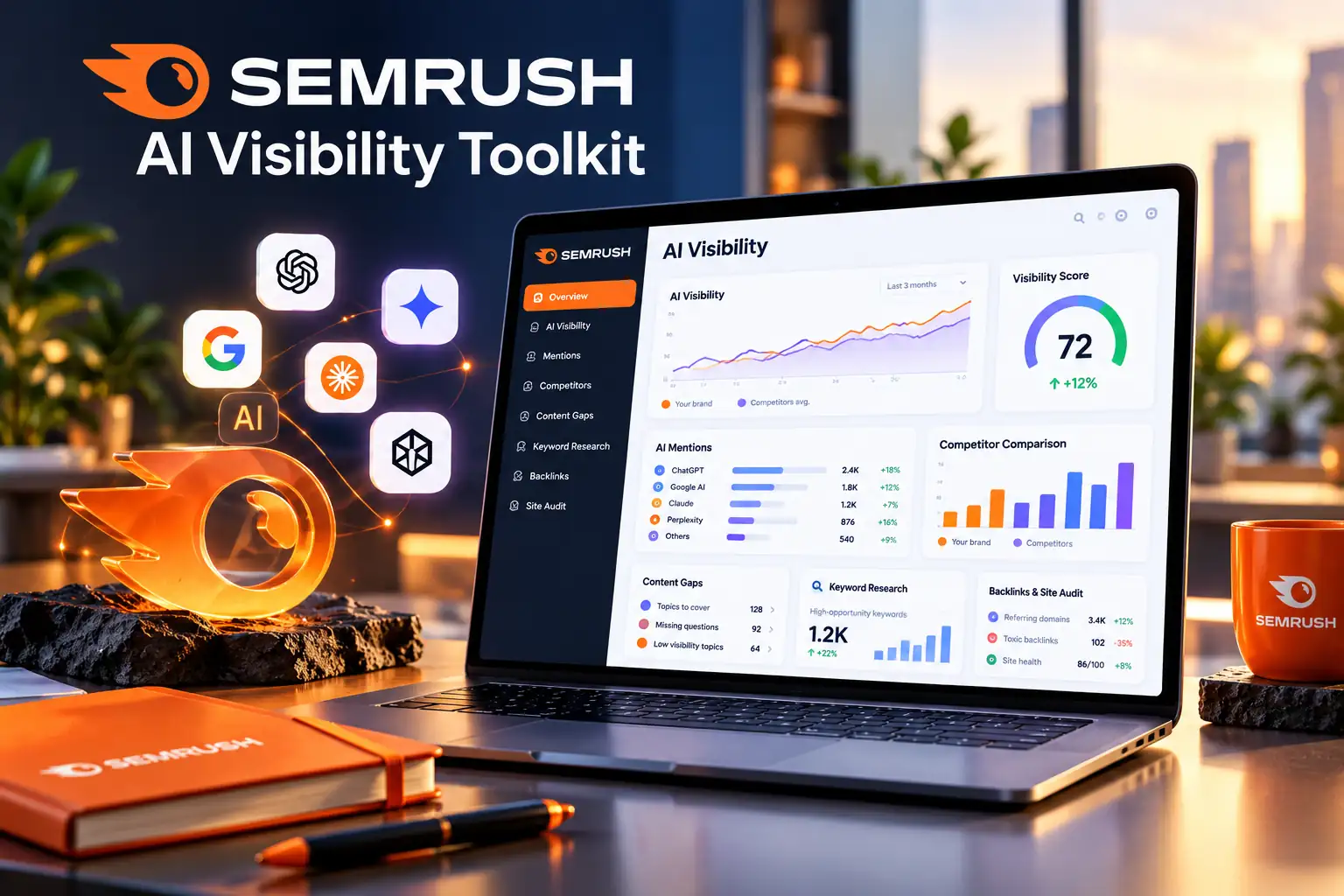
Semrush combines AI visibility tracking with keyword research, backlink analysis, and site audits.
It suits teams already using Semrush that want to manage traditional SEO and AI search in one platform. Check your current subscription and available AI features before paying for an additional plan.
Ahrefs Brand Radar
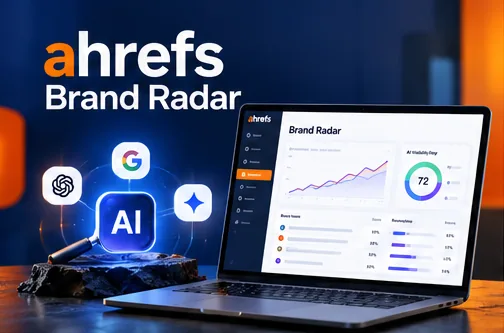
Ahrefs Brand Radar offers Custom Prompts for monitoring specific questions and an AI Visibility Index based on Ahrefs’ broader dataset.
These options serve different tracking needs and may differ in cost and prompt capacity. Existing Ahrefs users should confirm which features their subscription includes.
Profound
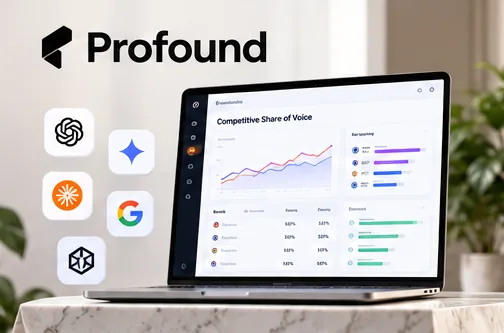
Profound targets agencies and enterprise teams needing detailed citation analysis, high prompt volumes, competitor share of voice, and structured exports.
Its prompt-level analytics help identify where competitors earn citations. Check the current pricing and access requirements to determine whether it fits your reporting needs.
Peec AI
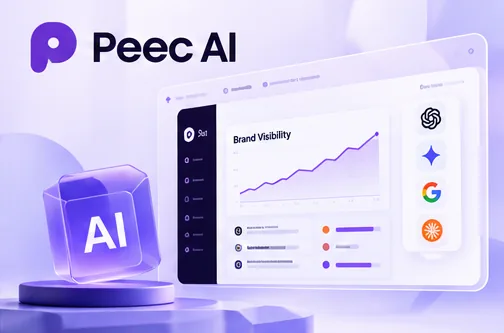
Peec AI offers prompt-level visibility tracking, citation monitoring, and competitor comparisons across supported AI models.
It suits teams that need regular reports on changes in brand presence. Confirm supported engines, prompt limits, and current pricing before choosing a plan.
Otterly.AI
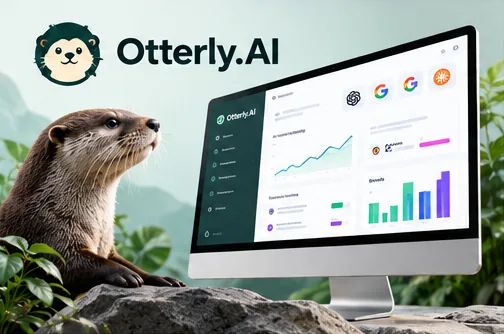
Otterly.AI offers a direct starting point for AI visibility monitoring across major platforms, including ChatGPT, Gemini, and Perplexity.
Its accessible setup suits solo marketers and small businesses tracking a focused set of prompts. Check entry-level prompt limits before expanding your monitoring.
Rankscale
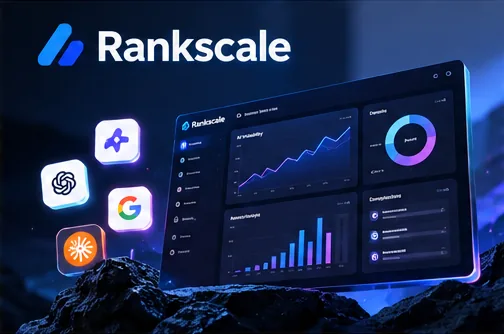
Rankscale provides prompt-based AI visibility tracking, trend reporting, and competitor monitoring across multiple engines.
Its pricing targets smaller teams and agencies. Before purchasing, confirm localization support, project limits, and export options, especially if you manage several clients or non-English markets.
SE Visible (SE Ranking)
SE Visible extends SE Ranking’s SEO ecosystem with AI visibility tracking. Teams already using its keyword tracking, site audits, and backlink tools may benefit from consolidated reporting and fewer subscriptions.
Confirm current AI engine coverage and plan inclusions before assuming all features are available.
AthenaHQ
AthenaHQ focuses on AI visibility analytics, competitor monitoring, and content recommendations for enterprise teams.
Its reporting helps identify citation patterns and trends at the prompt level. Request a current demo to confirm which analytics, content recommendations, and governance features are included in your intended plan.
Scrunch AI
Scrunch AI combines AI visibility measurement with crawler analytics and website accessibility insights.
This helps teams investigate technical barriers alongside citation performance instead of managing those tasks in separate tools. It suits businesses that want to connect visibility data with technical and content improvements.
Frase as a content-workflow option
Frase and similar content platforms combine content optimization with AI visibility features. They suit teams that want to manage content improvements and track progress in one workflow.
However, dedicated AI visibility tools may offer deeper citation analysis and prompt-level reporting, so compare total cost and feature depth before deciding.
Which tools offer the strongest value for your budget?
The best value depends on your target AI engines, monthly prompt volume, and need for citation-level reporting.
Otterly.AI and Rankscale are worth comparing for focused monitoring, while Semrush and Ahrefs may suit teams already using their SEO platforms.
Profound and AthenaHQ are options for organizations needing deeper analytics and structured reporting.
If you need help turning visibility insights into an actionable SEO plan, consider SEO services that cover keyword research, technical optimization, content development, and performance reporting.
Engine Coverage Matrix
AI engine coverage varies by tool and subscription tier, so verify supported platforms before purchasing.
The matrix below provides a starting point for comparing coverage across global and Bangladesh-based audiences.
“Not verified” means coverage could not be confirmed from the available vendor documentation, not necessarily that the tool lacks support.
- Semrush: Google AI Overviews (supported); Google AI Mode (limited).
- Ahrefs Brand Radar: AI Overviews, ChatGPT Search, Gemini, and Perplexity.
- Profound: AI Overviews, AI Mode, ChatGPT Search, Gemini, and Perplexity.
- Peec AI: AI Overviews, ChatGPT Search, Gemini, and Perplexity.
- Otterly.AI: AI Overviews, ChatGPT Search, Gemini, and Perplexity.
- Rankscale: AI Overviews, ChatGPT Search, and Gemini.
- SE Visible: Google AI Overviews.
- AthenaHQ: AI Overviews, ChatGPT Search, Gemini, and Perplexity.
- Scrunch AI: AI Overviews, ChatGPT Search, and Gemini.
Verify current plan-level coverage, local-language support, and Bangladesh-specific tracking with each vendor before purchasing. Claude, Microsoft Copilot, and DeepSeek support were not verified in the supplied comparison.
Supported engine does not always mean full feature access
A tool listing a platform as supported does not always mean every feature works for that platform.
Some tools index AI answer datasets rather than running live prompts. Others distinguish between citation tracking and mention monitoring within the same engine.
Google AI Mode differs technically from Google AI Overviews, and support for one does not imply equivalent support for the other.
Always confirm whether citation tracking, custom prompts, and geographic filtering are available for each specific engine at the plan tier you intend to purchase.
What You Actually Pay: Cost per Prompt and Hidden Costs
Starting prices can hide extra costs for prompt volume, AI engines, projects, and reporting. Compare the total monthly cost against your actual tracking needs, not just the advertised price.
Entry price vs real cost
Calculate effective cost per prompt by dividing your total monthly cost by monthly prompt executions.
If each prompt runs across five AI engines, that may mean five executions per prompt. Check whether the provider charges per unique prompt or per execution, along with limits on projects, team seats, refresh frequency, and engine access.
Hidden costs to check
Look for extra fees for AI engines, prompt capacity, historical data, additional projects, exports, API access, onboarding, white-label reports, and integrations. Annual discounts may also require a longer commitment. Ask for the full cost of your intended setup before signing up.
A reasonable monthly budget for Bangladesh-based teams
At an illustrative exchange rate of USD 1 = BDT 123.75, a USD 49 monthly subscription costs about BDT 6,063, before taxes and foreign transaction fees.
When budgeting, check the latest Bangladesh Bank exchange-rate information, as rates and bank conversion charges can change.
Which Tool Should You Choose?
Choose an AI visibility tool based on your budget, prompt volume, engine coverage, and reporting needs. Use these recommendations as a starting point, not a fixed ranking.
Small businesses and solo marketers
Start with manual prompt checks, GA4 referral tracking, and Search Console data. If you need paid monitoring, compare Otterly.AI and Rankscale. Define your prompts and tracking frequency before choosing a plan.
In-house SEO teams using Semrush or Ahrefs
Check your existing subscription before buying another tool. Semrush and Ahrefs may already cover your basic AI visibility needs. If you need more prompts or engine coverage, compare the cost of upgrading against a standalone platform.
Agencies managing multiple clients
Look for multi-client project support, predictable pricing, and easy-to-share reports. Scrunch AI, Profound, and Peec AI are worth evaluating. Confirm project limits and per-seat costs.
Agencies needing digital marketing services can also explore how strategy and measurement work together across client accounts.
Enterprises and regulated brands
Prioritize access controls, data retention, audit trails, governance, and documented measurement methods.
AthenaHQ and Profound are worth evaluating for enterprise needs. Request a demo and confirm which controls your chosen plan includes.
Brands in non-English or multi-country markets
Test local-language prompts, spelling variations, transliterations, and location-specific queries. In Bangladesh, compare results in Bangla, Banglish, and English with local brand and location references.
English performance alone may not reflect visibility in Bangla searches. Also review AI search visibility considerations for Bangladeshi brands before choosing a tool.
How to Turn AI Visibility Data Into Results
AI visibility tracking matters only when it drives improvements. Start with high-value prompts and key competitors. Find queries where competitors earn mentions or citations, but your brand does not.
Review the cited pages, improve your content’s accuracy and structure, and fix crawler access issues where needed. Rerun the same prompts after a set period and compare results with organic traffic, AI referral sessions, and leads.
To turn these findings into an action plan in Bangladesh-specific industries, professional SEO services will provide keyword research, technical optimization, content development, and reporting.
Businesses in Dhaka and other Bangladeshi cities should understand how AI SEO can attract clients from Google by focusing on inquiries and conversions, not just visibility.
Track business outcomes, not just visibility scores
Monitor qualified AI referral traffic, assisted conversions in GA4, branded search activity in Search Console, and meaningful engagement alongside mentions and citations.
A higher visibility score is useful, but it does not prove revenue growth. Look for evidence connecting visibility changes to actual customer actions.
If the findings reveal broader website, content, or campaign issues, choose nothing but the best digital and technology services to identify the support needed.
Questions to Ask Before You Buy
Before choosing an AI visibility tool, confirm these points with the vendor:
- Which AI engines and search surfaces are included in your plan?
- How many prompts and competitors can you track?
- Do citation reports show source URLs or only brand mentions?
- Can you separate branded and non-branded queries?
- How often is prompt data refreshed?
- Can you export reports or share them with clients?
- What additional charges apply beyond the base price?
- Is there a free trial or monthly plan before committing annually?
Need Help Measuring and Improving AI Visibility?
VISER X can help you establish an AI visibility baseline, identify citation gaps, and prioritize improvements to strengthen your presence in AI-generated answers.
Consult us to see how we can help.
FAQ on the Best AI Visibility Tools in 2026
What is an AI visibility tool?
An AI visibility tool tracks brand mentions, citations, and competitor visibility across selected AI platforms and prompts.
What is the best AI visibility tool?
It depends on your needs. Semrush and Ahrefs suit existing SEO users, while Profound, Peec AI, Otterly.AI, and other specialists offer different pricing and reporting options.
Are there free AI visibility tools?
Yes. Manual AI searches, free checkers, and first-party analytics can help establish a baseline. Paid tools are more useful for ongoing monitoring and cross-platform comparisons.
How much do AI visibility tools cost?
Pricing varies by platform, plan, prompt limits, and engine coverage. Some offer free or entry-level plans, while advanced tools cost more. Always verify current pricing before buying.
How accurate are AI visibility tools?
They measure sampled AI responses, not every conversation. Results can vary by prompt, location, language, and model version, so consistent testing and trend analysis are more reliable than a single score.
Does Google Search Console show AI Overview data?
Search Console provides search performance data, but it does not offer a complete report of every AI Overview appearance or AI citation. Check Google’s current documentation for available reporting.
Which AI engines should I track?
Track the platforms your customers use, such as Google AI Overviews, AI Mode, ChatGPT, Gemini, and Perplexity. Add Claude, Copilot, or DeepSeek when relevant and supported.
How many prompts should I track?
Start with 20 to 50 high-value prompts covering discovery, comparisons, buying decisions, and branded searches. Expand the set as you identify new questions, markets, and competitors